Technical Assistance Program
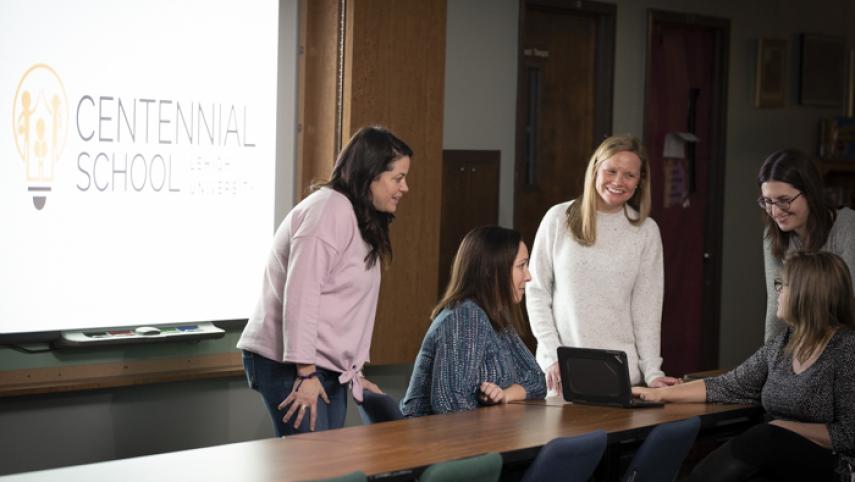
The Technical Assistance Program (TAP) offers evidence based practices within a three-tiered model in an effort to increase student academic and behavioral success.
By building upon existing strengths, the TAP team assists schools in the creation of proactive and productive environments where teaching and learning are valued.
School Wide Support
The TAP team assists schools in developing effective behavior support at the building level by promoting prevention strategies to enhance disciplinary policies and procedures for all students and thereby creating a safe and inviting school culture.
These services may include:
Needs assessment
School-wide procedures for behavior
Behavior procedures for non-instructional settings
Behavior tracking system
Professional development
Strengthening communication with parents and community
Budget development for sustaining intervention services
Class-Wide Support
The TAP team provides services at the class-wide level to improve classroom instructional and management practices.
These services may include:
Classroom assessment and design
Classroom procedures for behavior
Academic interventions
Instructional interventions
Incentive systems
Professional development for teachers and paraprofessionals
Progress monitoring tools
Social skills curriculum training

Offering an array of consultative services
Contact us today
Individual Support
The TAP team intervenes at the individual level by developing function-based supports for students who exhibit chronic refractory behavior.
These services may include:
Individual comprehensive psych-educational assessment
Functional behavior assessment
Behavior intervention plans and data collection system
Response to intervention
Preference assessments
Interventions to remediate academic and behavior problems

Contact Information
Technical Assistance Program
Centennial School
2196 Avenue C Bethlehem, PA 18017
Phone: 610-266-6500
Email: juf2@lehigh.edu
Encourage students to view themselves as they want to be in the future, not as individuals who have failed in the past.
-George & George (2000)